

Whispering walls
Iran Foto Fest takes over the walls of Arles, showing that when there are restrictions on free speech, the streets become the media for the people.
Welcome to dear midnight, my newsletter with reflections on all things photography, publishing and the artistic process. In these letters (temporarily a bit irregular due to motherhood) you will read about the material that comes my way while working on personal, curatorial and editorial projects like Foam Magazine.
With this special Arles Edition I’m adding a new interview format in which I highlight independent photography platforms that deserve your attention.
Les Rencontres d’Arles, the annual photography festival in the South of France, brings together the international photography community to view exhibitions, celebrate outstanding work, and debate the medium—all while networking with a cold drink in hand. Fifteen days post-opening week, most photophiles have returned home to their studios, offices, and institutions, leaving the streets of Arles somewhat quieter, marked only by a trail of posters glued to the walls.
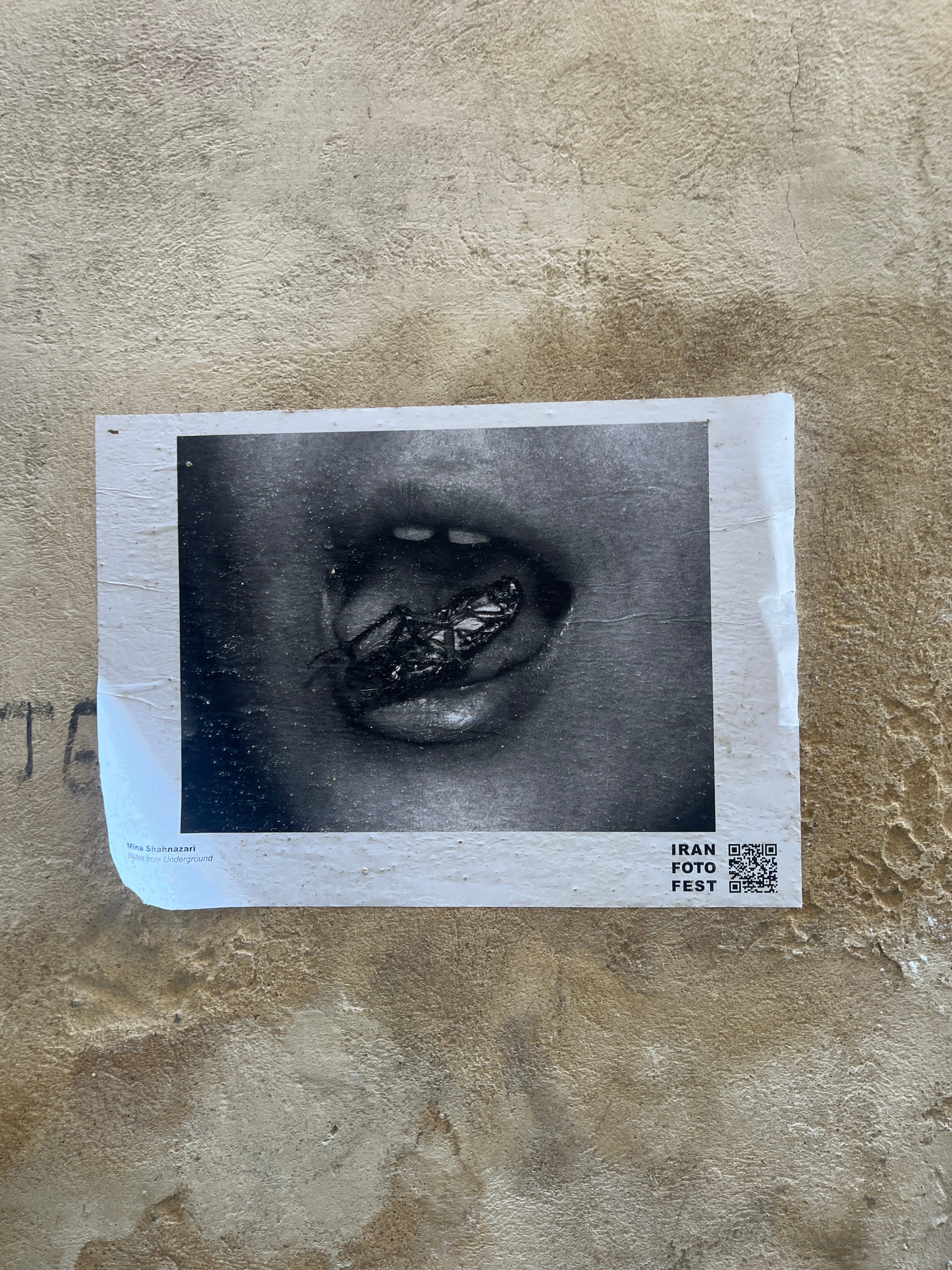
After my last visit in 2024 I wrote a newsletter titled how do you take care? and for whom? which highlighted a poster series on care to discuss political relevance and responsibility in face of the loud silence around current global affairs. Sadly I couldn't attend this year's opening week in person, but following online, I was struck by another initiative that used Arles's stone walls as a much needed reminder of the realities beyond. Having been in touch via email over the past few weeks, I’m thrilled to share a Q&A with the emerging platform Iran Foto Fest.
KH: How and when did Iran Foto Fest start?
IFF: We started as members of Fotobus Society, an initiative that brings photography students to international photography festivals by a big dark blue bus, and which does workshops, portfolio reviews, a podcast, exhibitions, books, grants and awards, slideshows, camping, communal dinners and parties. Most of it is for free! Fotobus Society taught us compassion, the power of community and the magic behind an engagement with photography in informal settings. Also, it showed us that things that might seem impossible can happen when you start believing in them, and doing it: slowly, a bit messy, punk and wild, and collectively.
To us, documentary photography means being close to people, being on the streets, sitting on the ground, rolling in dirt, laughing loudly, hugging tightly, and crying compassionately. So in February 2025, our founder was sitting in a Café in central Tehran with two other friends, telling them about Africa Foto Fair, Kranj Foto Fest, Fotobus Society, and the dream of doing something similar in Iran. Our friends said: Do it! And that night, February 7th, 2025, we made the instagram account @iranfotofest. A few days later, Instagram deleted the account for no reason, which is why we made another one: @iranfotofestival.
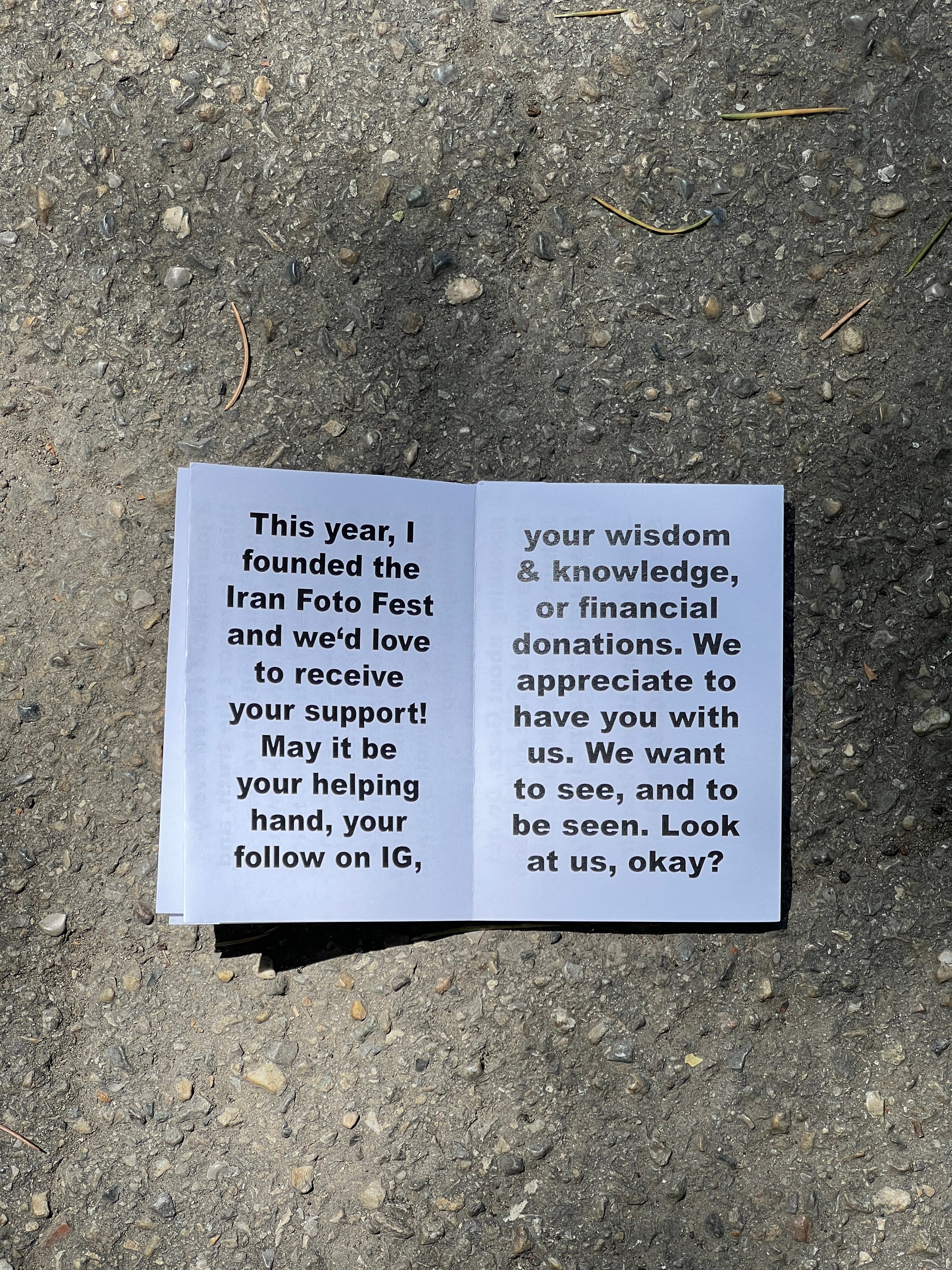
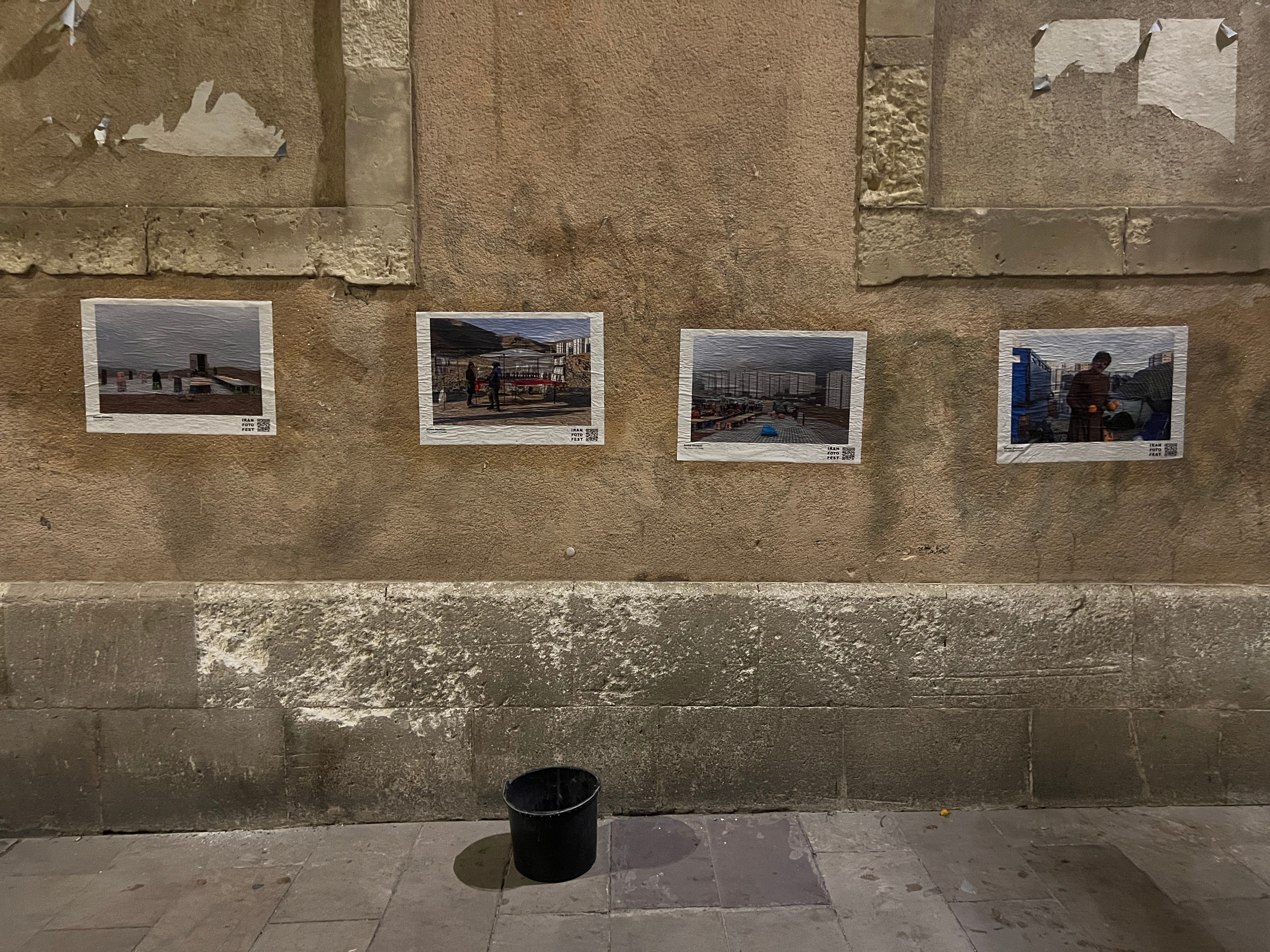
Then, Israel and the United States attacked our beloved land Iran with their missiles and warplanes in June 2025, and for the first time, our generation experienced war. This pain for us was beyond imagination. We thought: There might be no tomorrow, so let’s do the festival now, and poster the walls in Arles. We asked photographers to send their work and selected seven positions, we made posters and took them with us to Arles. In Arles, there is the tradition of postering the walls during the festival, and we really like how graffiti, written speech and photography communicate with each other on those walls. I am very grateful that a dozen photographers trusted this idea last year, because this first edition brought us to existence.
KH: On that note, what is your relationship to public space? And visibility?
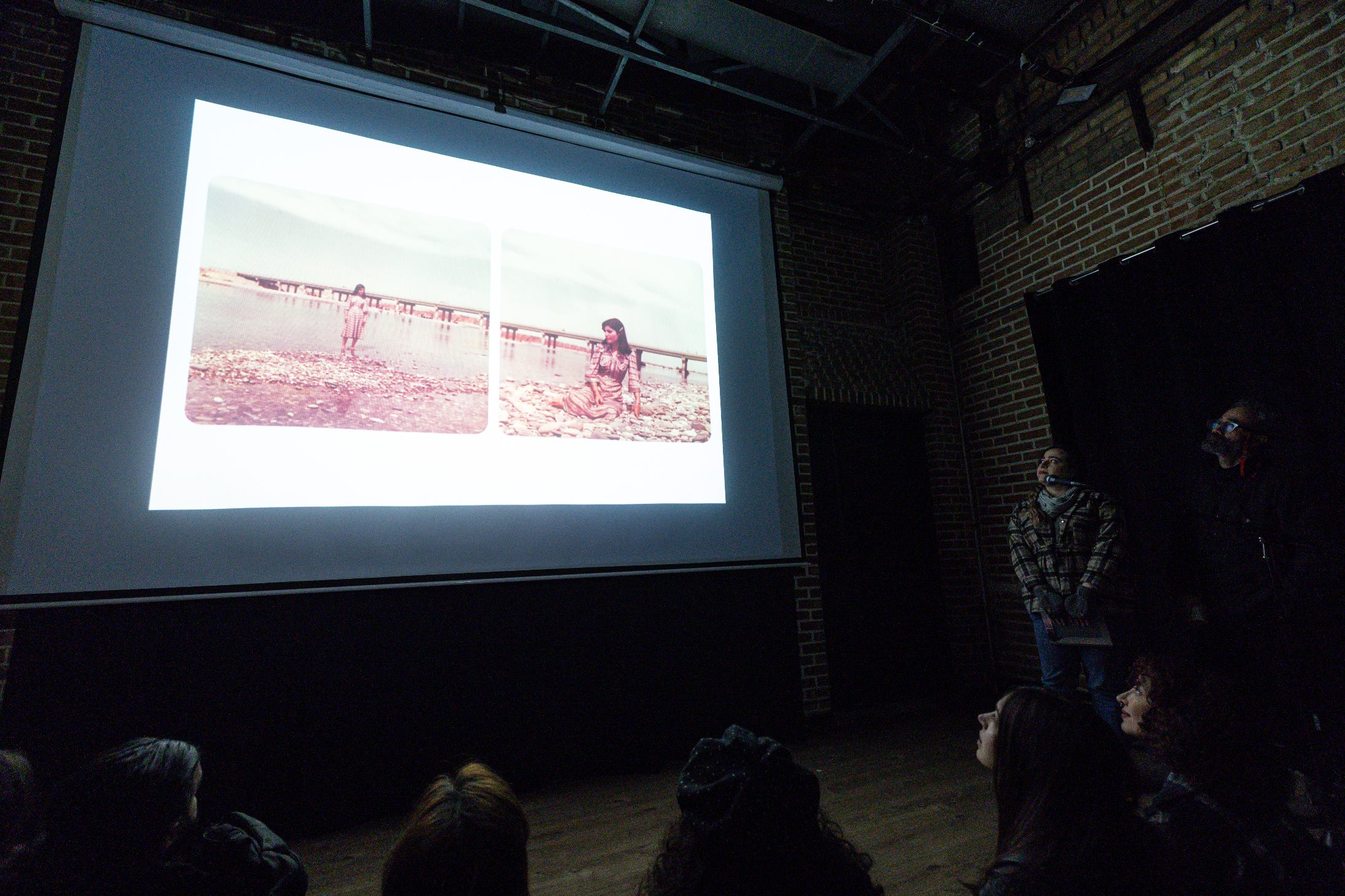
IFF: We haven’t yet operated much in Iran, we have only hosted one event so far in December 2025, which was a photo slideshow with 14 photographers presenting their work in the style of the Fotobus Slideshows. There are indeed restrictions in Iran, and due to the harsh situation the country is in, we are more hesitant of ‘reclaiming the streets’ for ourselves with postering the walls in Tehran. The goal for us in Iran right now is to bring people together. Therefore we collaborated with infrastructure already existing: Natamam Projects (RooBeRoo Mansion Vali-e Asr) in central Tehran was our first host. They have a history of progressive cultural projects, performances, concerts and movie nights.
As photojournalists, our perspective to the streets in Europe changed after the Israeli Genocide in Gaza unfolded, and European states repressed people who demanded an end to the slaughter of Palestinians and the ethnic cleansing of Palestine. Seeing posters or graffiti in favour of the Palestinian Liberation seems to us like the whisper of resistance to the state’s authoritarianism and oppression. Thus we understood, when there are restrictions on free speech, the streets become the media for the people. As the walls in Iran also became the platform for people calling for equality and freedom during the woman life freedom uprisings.
So in the case of Arles, the festival pretended in 2024 as if there was no genocide happening, also in 2025, and 2026. While Rencontres d’Arles condemned the invasion into Ukraine in 2022, any reference from the festival about Palestine is missing. Our fate is no different than that of our Palestinian siblings. Fred Ritchin said in a talk in November 2025 in Amsterdam: ‘You can’t bomb a people when you know them.’ Therefore, we continued to reclaim the walls in Arles once again, to make visitors think of us while we are being eradicated by the same bombs that kill our Palestinian, Lebanese and Yemeni siblings. And, we want to show stories from our own perspective, not stories that exoticize us or confirm the orientalist image that is demanded from our representation.
KH: Can you tell us a bit more about the 8 positions selected for this year’s poster exhibition?
IFF: We chose eight positions showing daily life of contemporary Iran from the 85 submissions that we had. The selection was made by Shirin Abedi with the advisory of Rui Prata, Elham Rahmati, Sara Kontar and David Pujado. We were looking for documentary photography, stories that are well made and interesting.
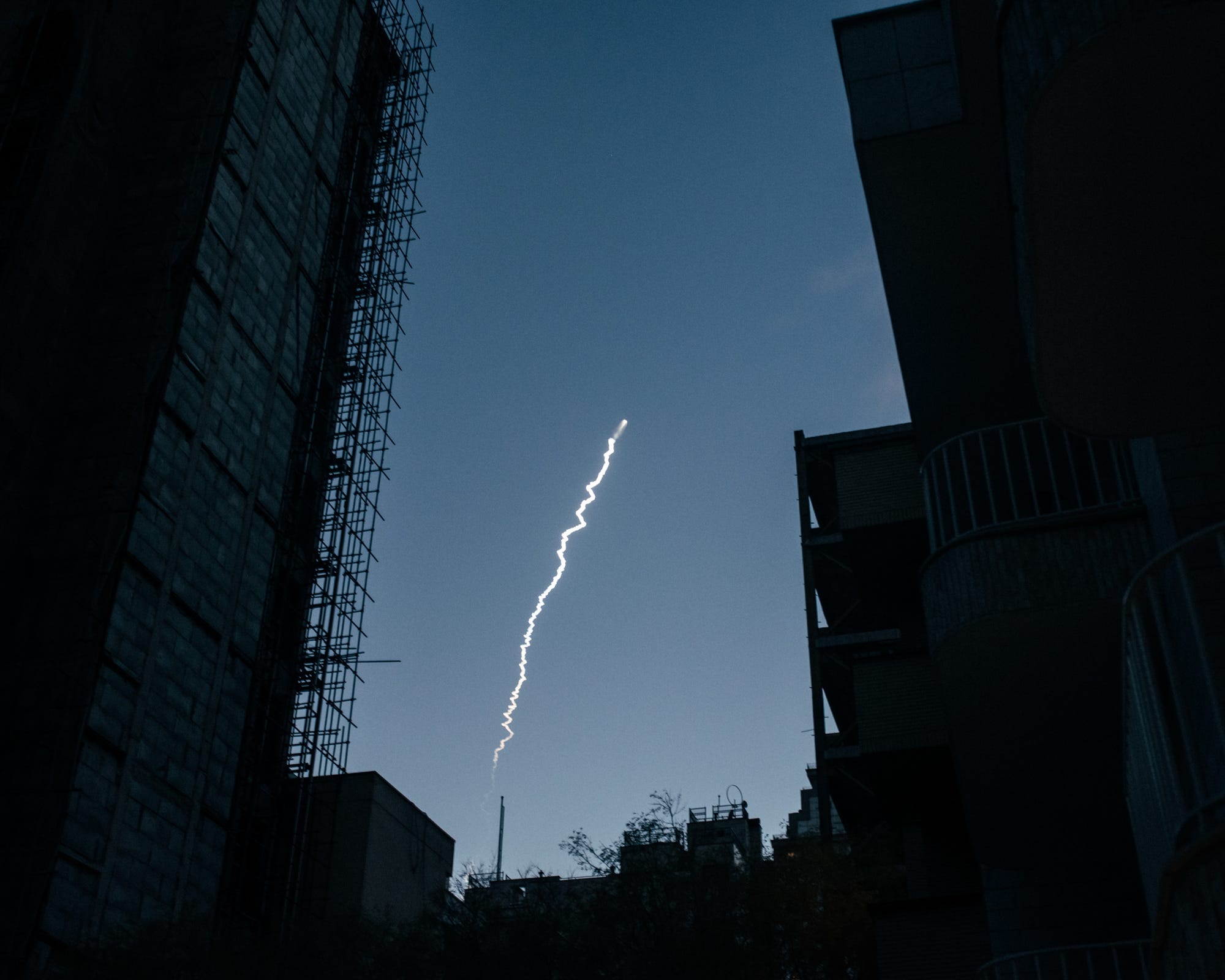
Mohammad Nazary photographed his experience of the 39 days war in Life goes on. His edit starts with a missile in the sky above Iran, and continues with friendship, love and hugs.
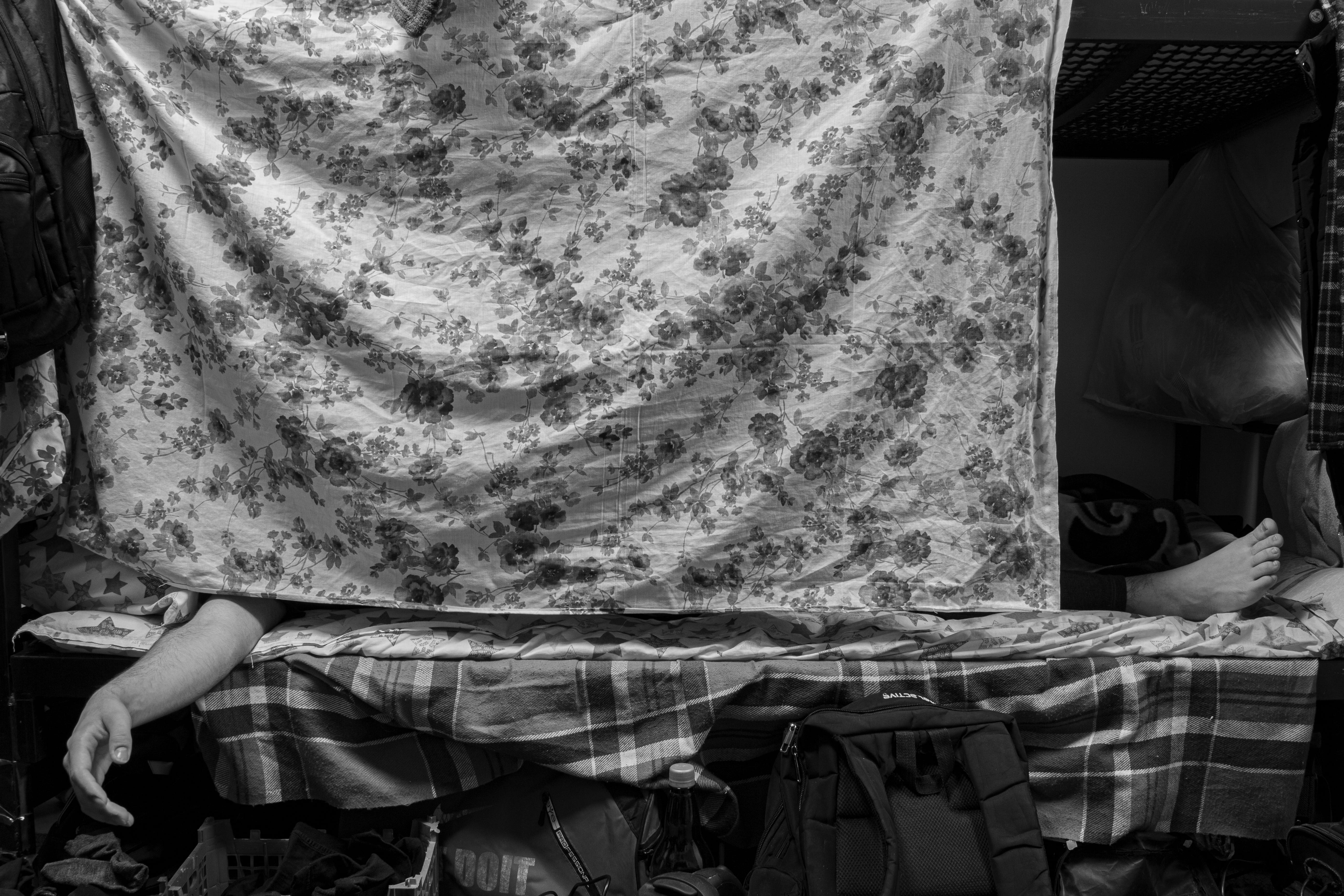
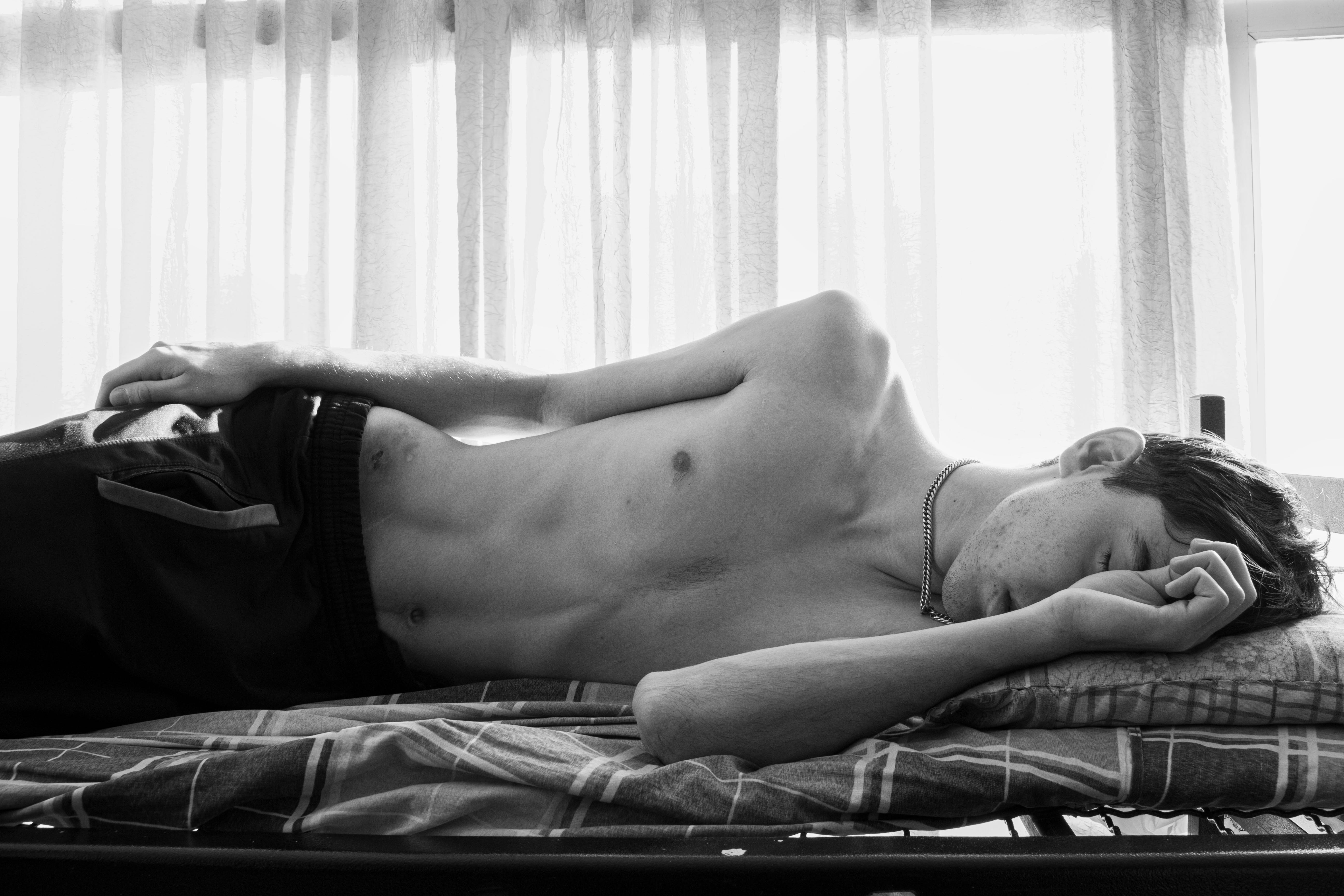
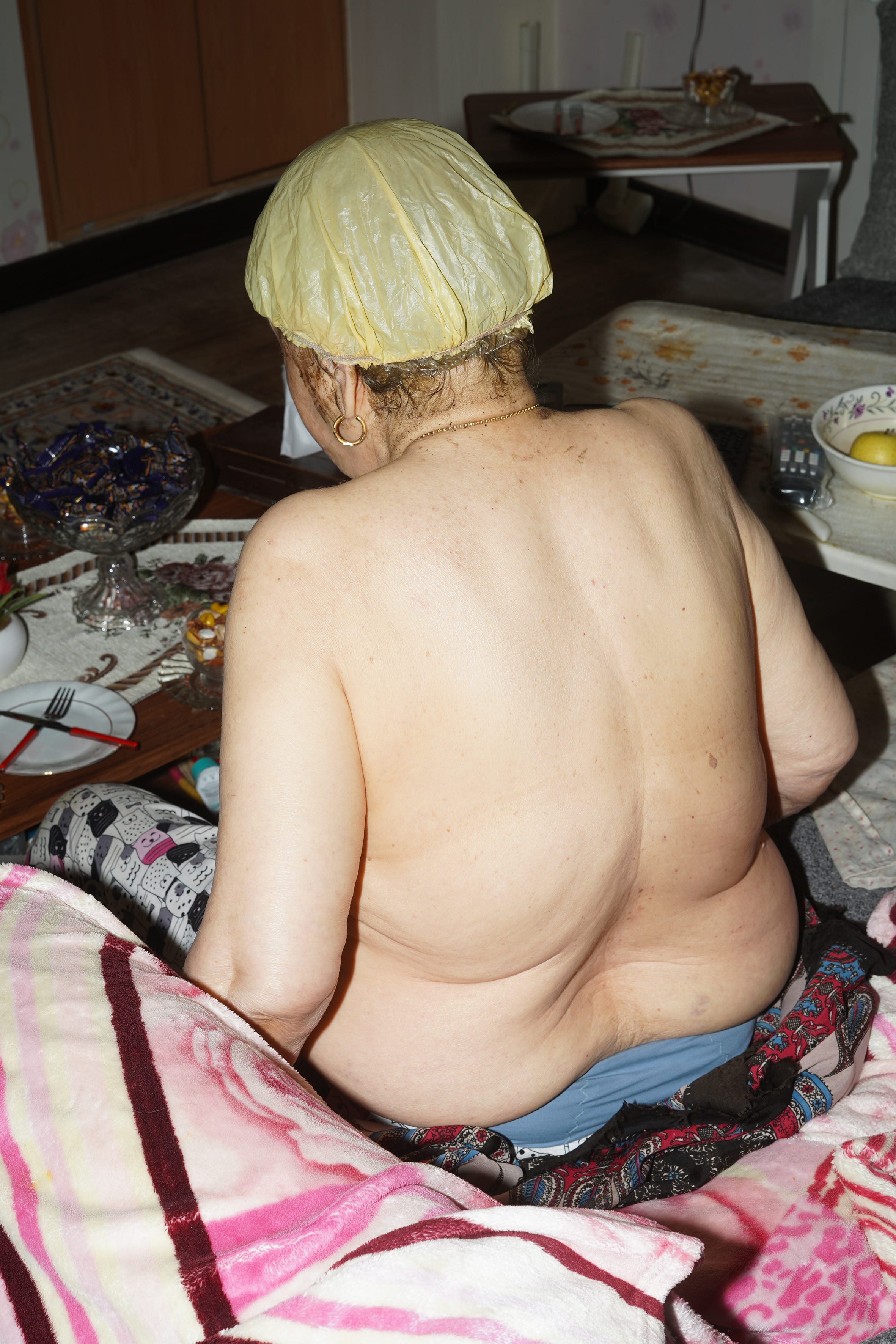
Mohammad Hossein Moraveji photographed his sleeping flatmates in his student dormitory. His project reminded us of Tim Hetherington’s Sleeping Soldiers. In Lowh (‘tablet’), he tries to show the non-student version of these students, by seeing the body as a tablet where the mental struggles and wounds and hopes leave traces.
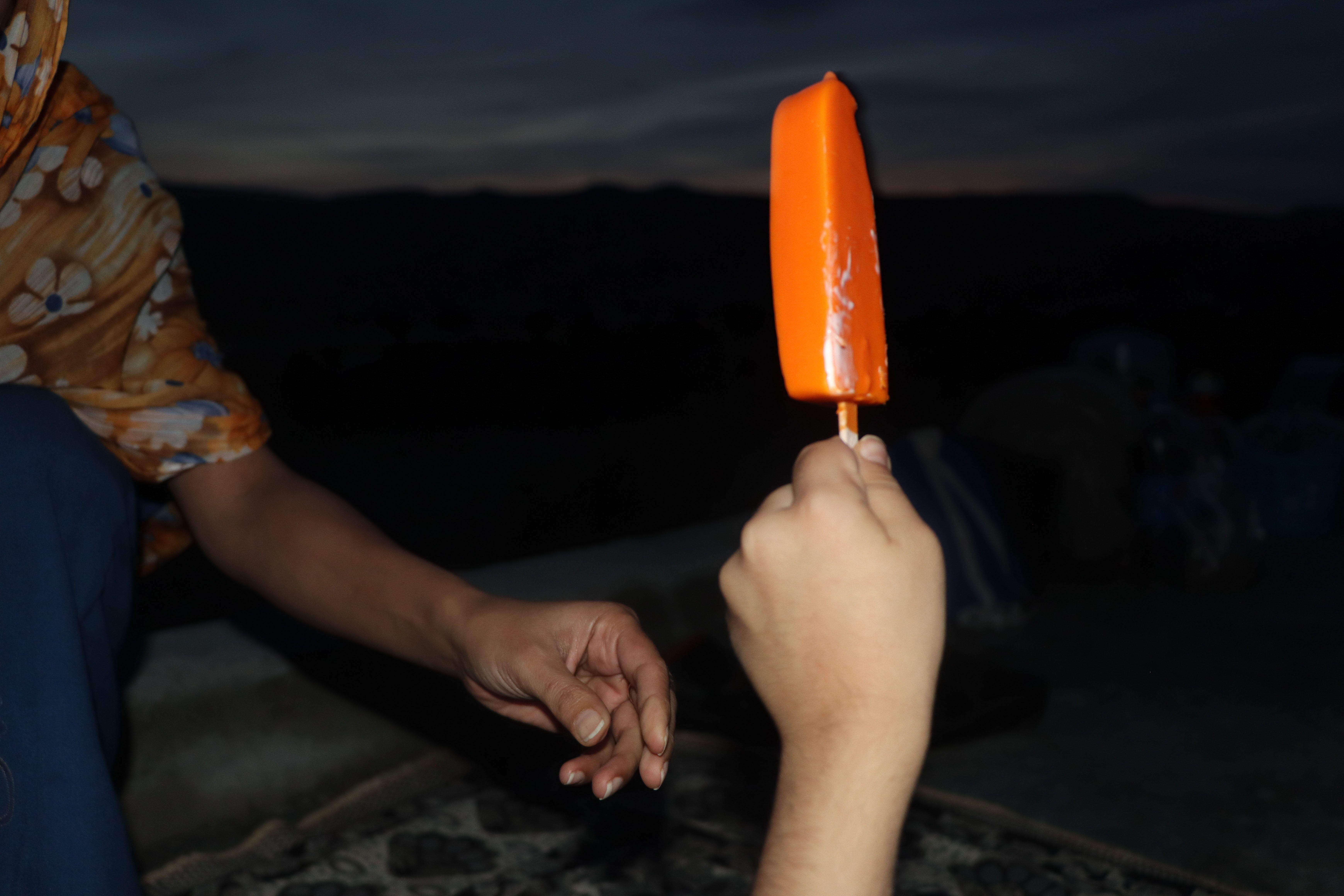
Sara Yektapour photographed her family’s holidays around their town in Ruidar in Hormozgan Provence in a story named Threads. With acknowledging the suffering for people in our region, Sara continues: I want to pay tribute and respect to those people who taught me that the passion for life is like colourful small threads, that sometimes save you from falling.
In Routine, Imani Peyman Imani explores with a fisheye lens the perspective of people in different jobs who spend their days in repetitive environments, seeing the same scenes and repeating the same actions.
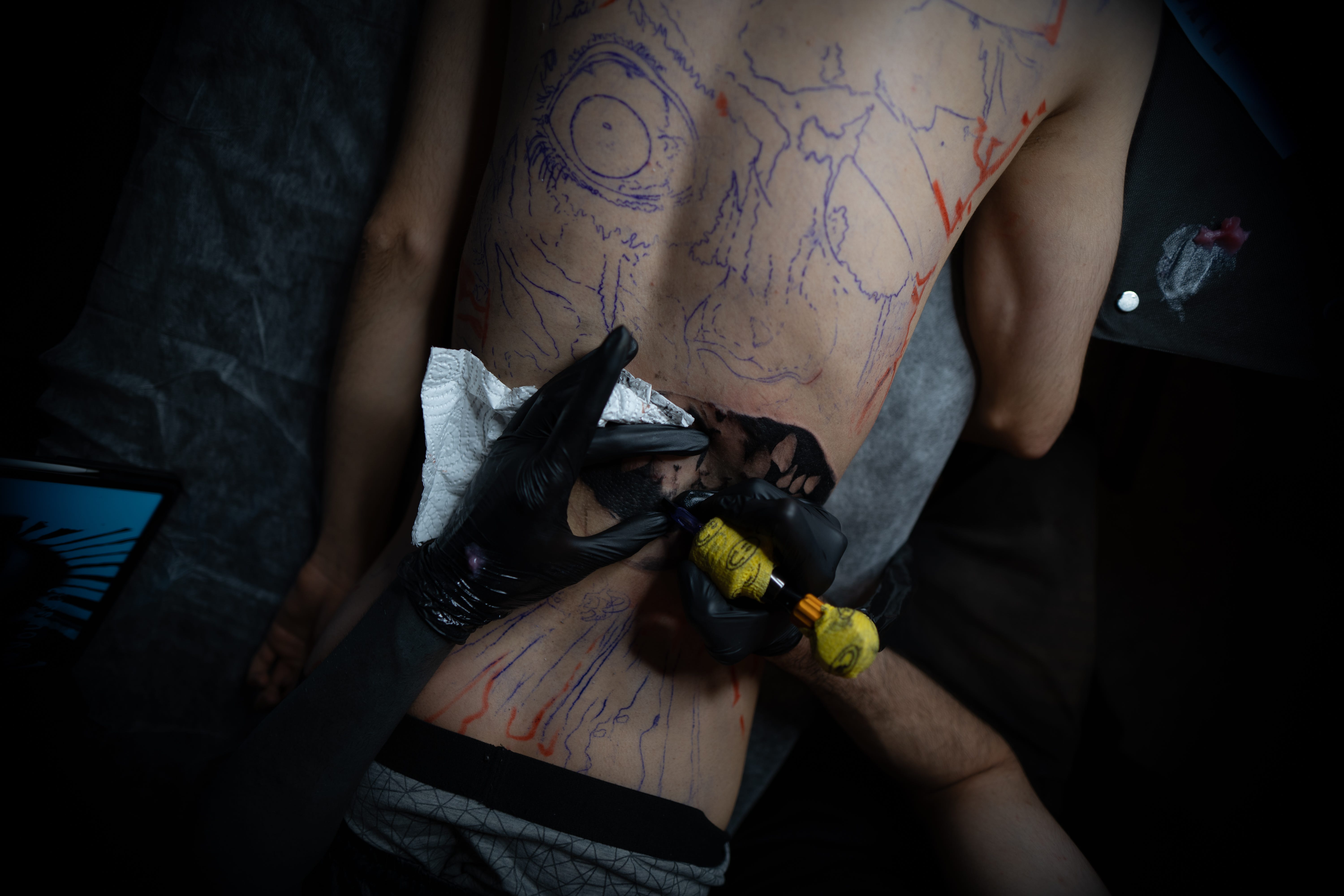
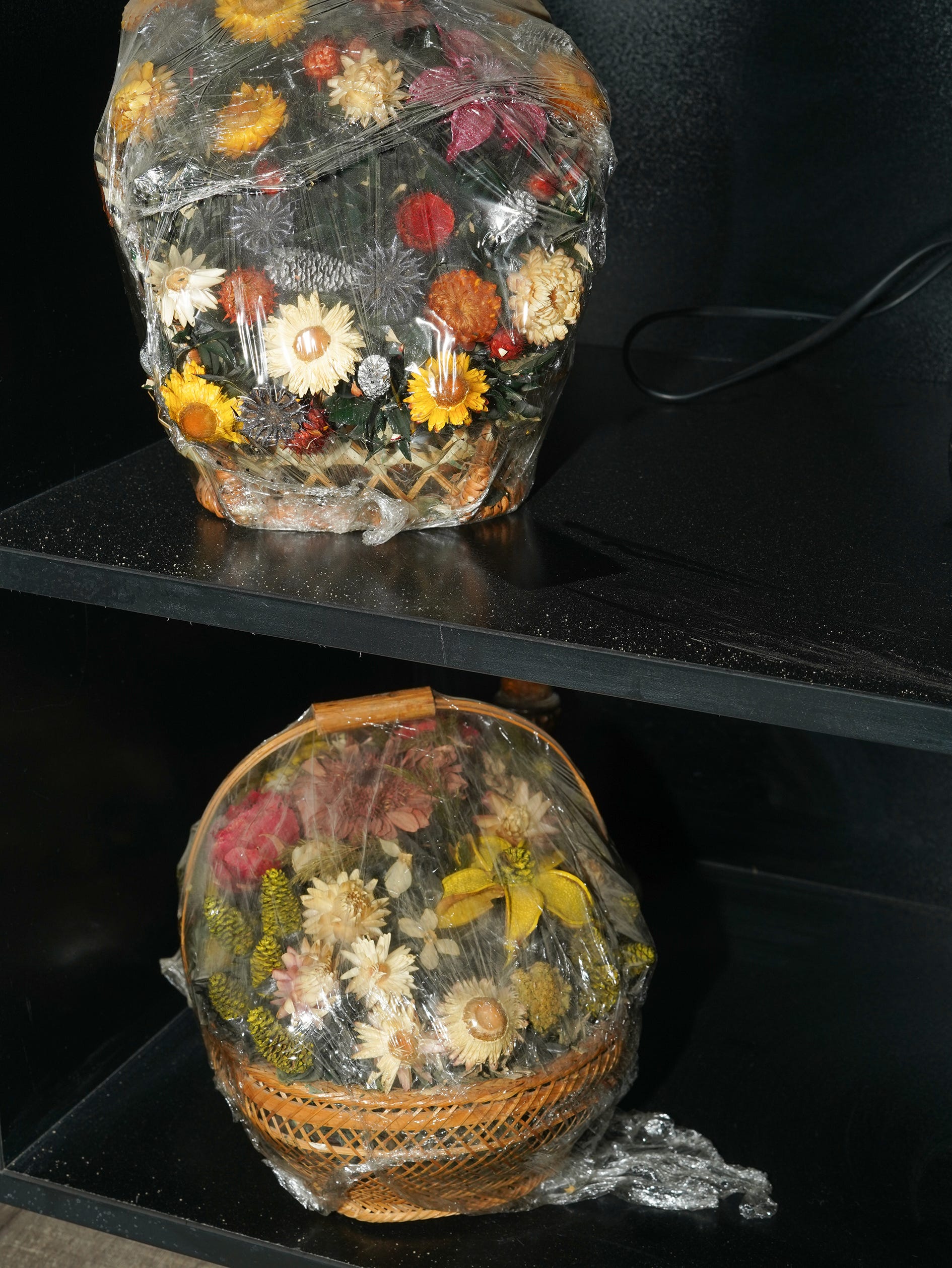
Delaram Montazerolzohour explores the theme of aging in Flowers That Never Age, by photographing her grandmother and her plastic flowers for over two years. Delaram understood that life in old age happens between phantasie, memories and reality, and sees this also represented in the flowers around her grandmother.
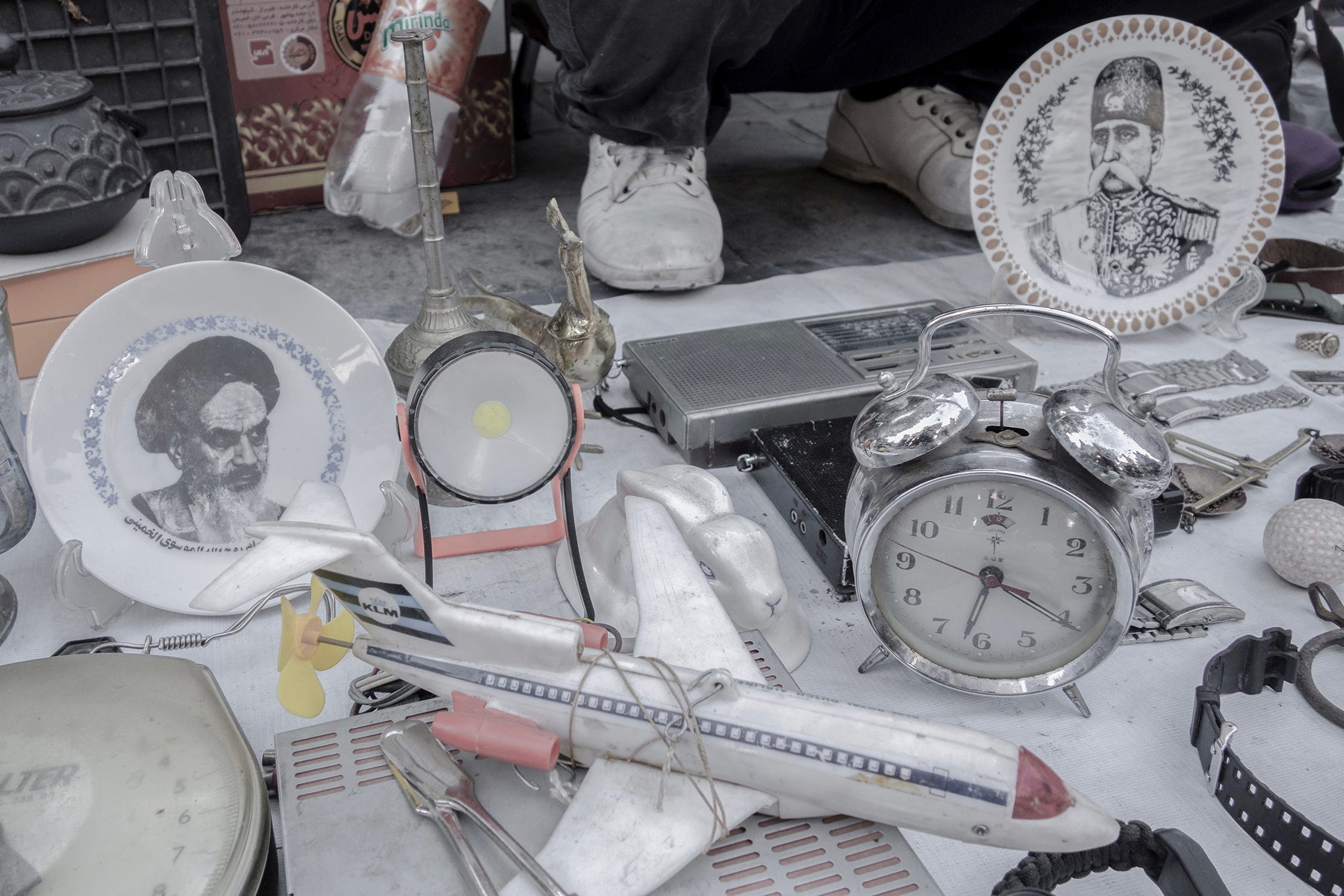
Ali Sooteh’s When We Are Not Ourselves, looks with a compact camera for the impact of Iran’s contemporary history on people’s lives. Ali is looking for the traces that this lived experience has put on the Iranian society witnessing a revolution, wars and uprisings.
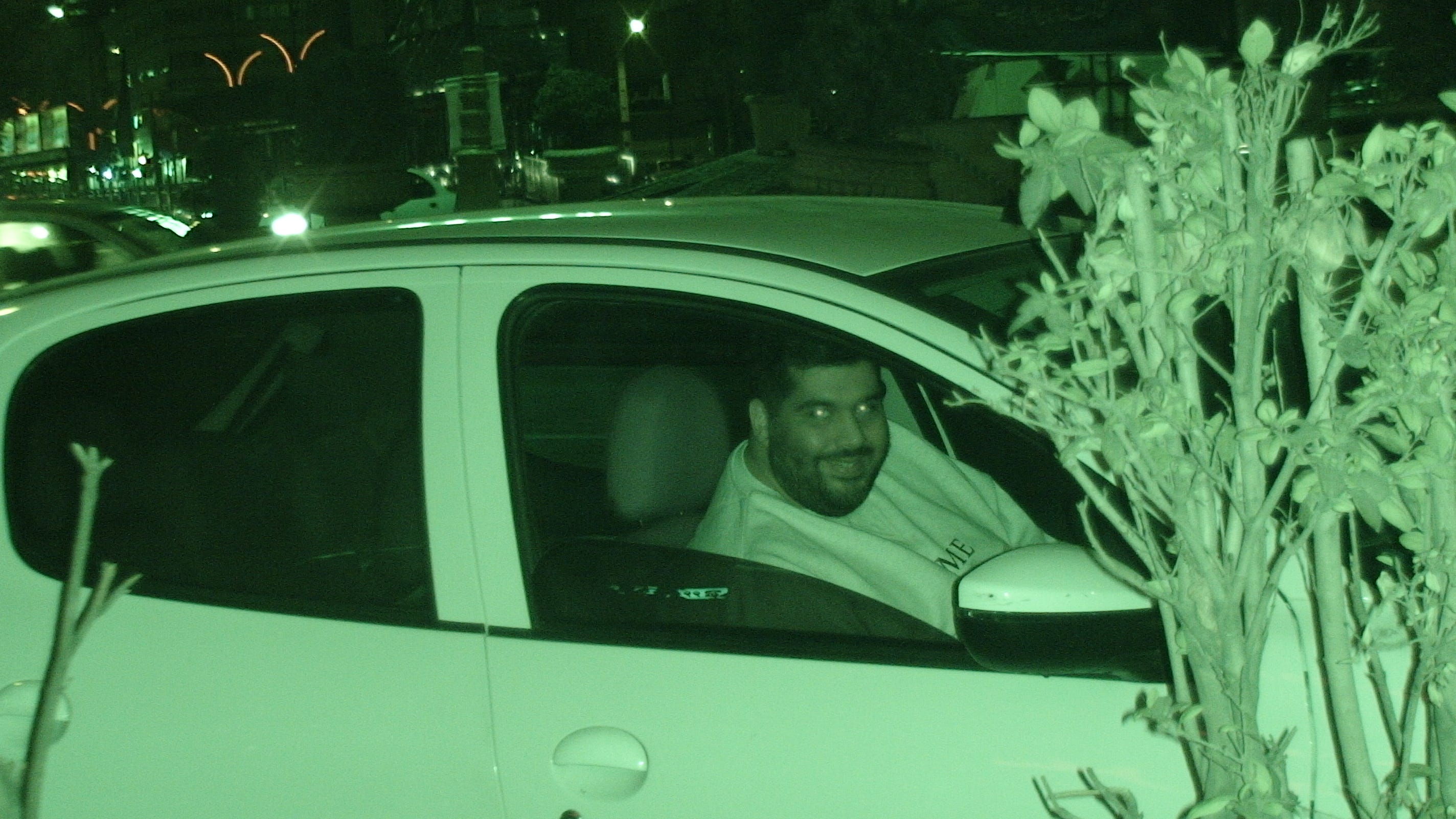
Sousan Salimi participates with Night Vision, as she writes, after a dark experience of the street-level male-gaze she attempts to reclaim the narrative, and photographs men that harassed her on the streets ‘after a dark experience of the street level male-gaze’.
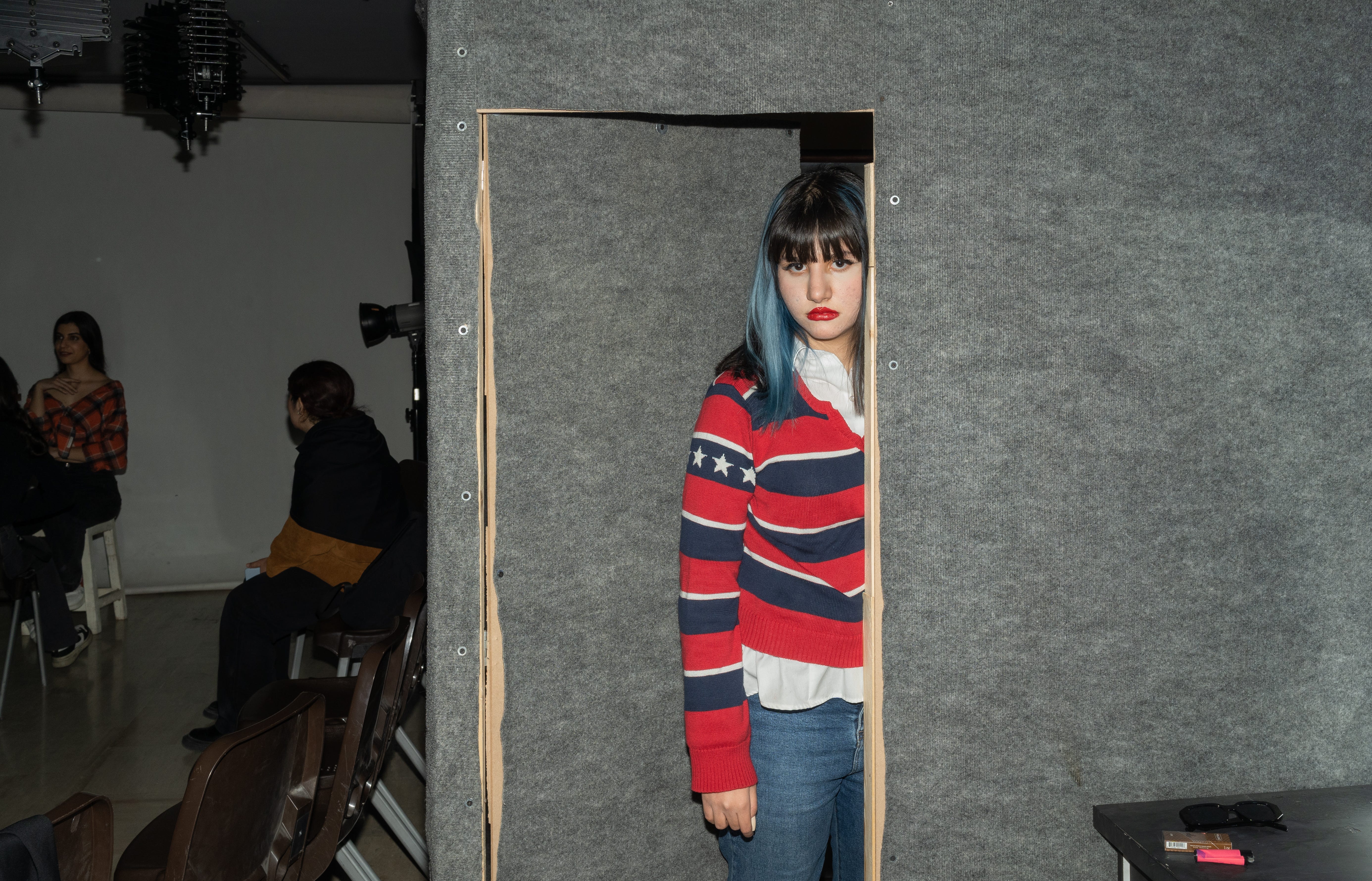
Zahra Motallebi started teaching photography, and in her work Newcomer she portrays her students. Her work reminds us of Alec Soth’s Advice for young artists, and we like the glimpse we get about Iranian Gen Z who are studying photography.
KH: What is a (visual) misconception of Iran that you want to address?
IFF: This year was very hard to survive, starting with protests, massacres, foreign intelligence operating in our streets, Iranian monarchists/fascists and their violence against all dissent voices, the manufacturing of consent for the foreign military interventions, and the imperial war by the American-Israeli coalition on Iran, while the continued bombing Lebanon, Yemen and Palestine. And then, some people in Europe would tell us they hope we get liberated. We saw what ‘western liberation’ did to Iraq, Libya and Afghanistan, and how it killed 120 children in a school on February 28th, 2026.
Iran is a diverse country with multiple ethnicities and languages, and a population of over 90 million. Some of these people are Shia muslims, some are jewish, some are sunni, some are christians, zoastrians, some are atheists. We all coexist. It is stupid to limit us to the one narrative that Iranians want to be liberated and they can’t change their society. We have agency, and we are strong. As the woman life freedom movement was successful, and today we can mostly dress the way we want in Iran, and have no morality police anymore. We can change the issues of our society ourselves. Taking photographs can help us to stay sane in these hard times. Also, photography helps us to share our own perspective and prevent others from speaking instead of us. We are quite cautious though about exhibitions and publications of photography, because the frameworks of stories can be used as a weapon against us, which we are fighting by being a new platform with a decolonial approach.
KH: Are there any artists or collectives you think should be on our radar?
IFF: The individuals we want to mention are Hashem Shakeri, Minoo Hassanzadeh and Mohammad Nazary. And then, we want to introduce BAZAR Art Book Fair, Didar Photoclub and Darmanegar Fotoprojects.
KH: Thank you very much!
If you’ve read this far, thank you and hope you enjoyed! Until then, take care.
x